hankyoreh
Links to other country sites 다른 나라 사이트 링크
Ripped from families for not being ‘Korean enough,’ mixed-race adoptees seek truth and justice
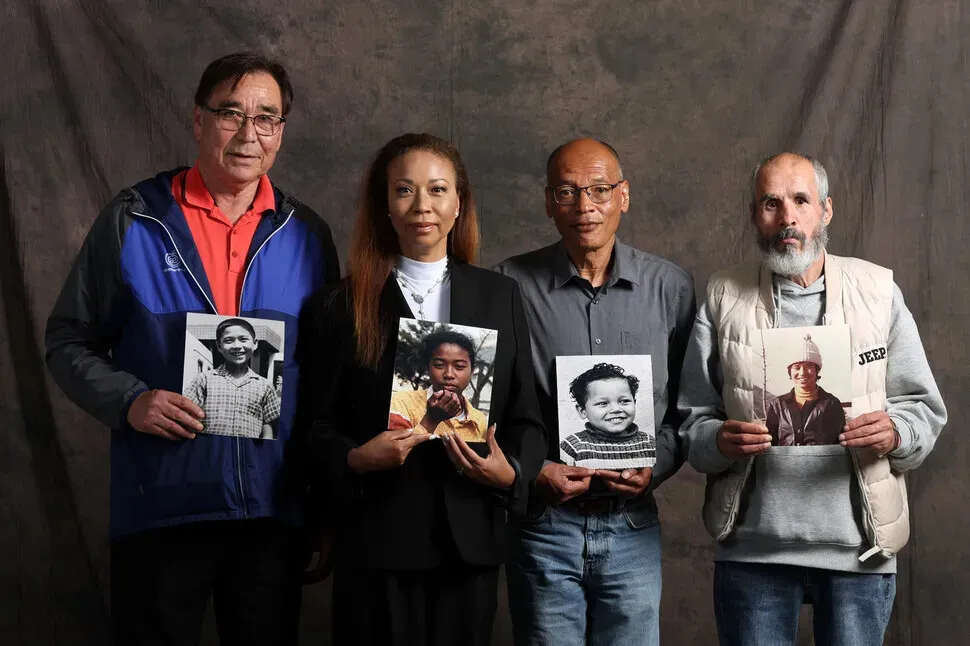
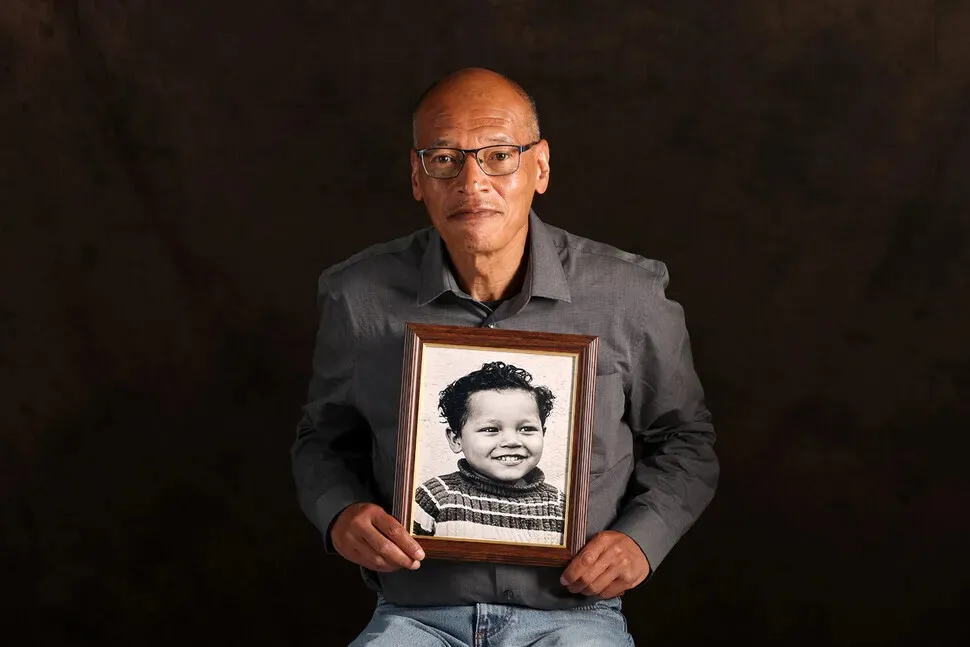
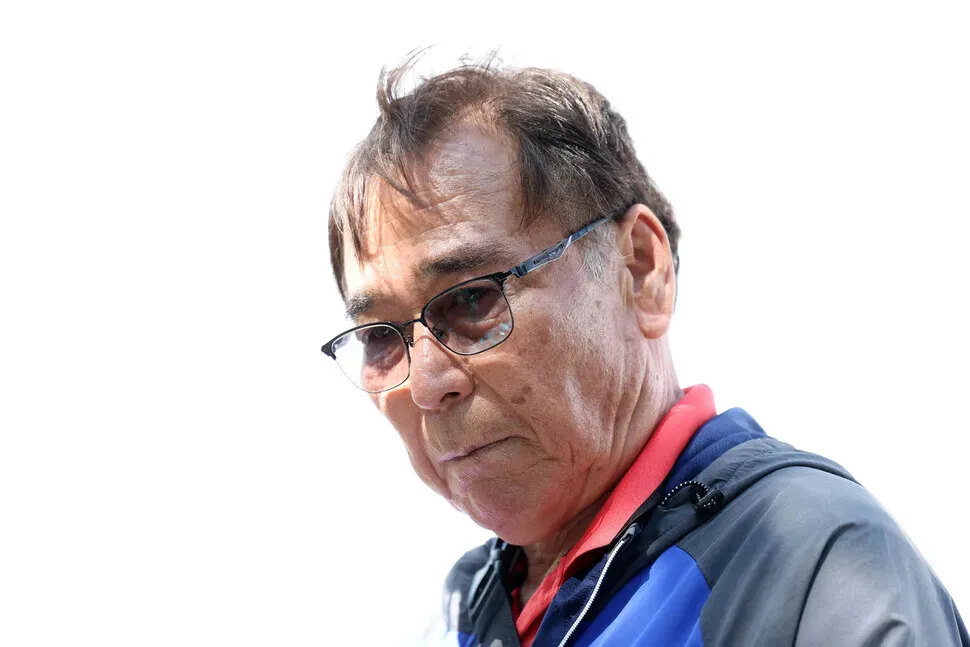
“Now that I'm 60, I know that life doesn't necessarily get better. I want to tell the child in the photo ‘Even if it's hard, things will get better if you endure,’ but I can’t. Because even if I find my mother and younger brother, I can never get back the 56 years I lost."
This is how Simon Hokwerda, 60, a Korean adoptee to the Netherlands, answered when asked what he would say to his younger self.
Separated from his mother and younger brother at age 4 and adopted by a Dutch family, he said that when he found out that his ex-girlfriend was pregnant, he couldn't handle it and abandoned her.
“Because I’m a wounded person, I lived my life hurting others as well. My child will resent me,” he said.
This shows how the trauma of overseas adoption is passed down from one generation to the next.
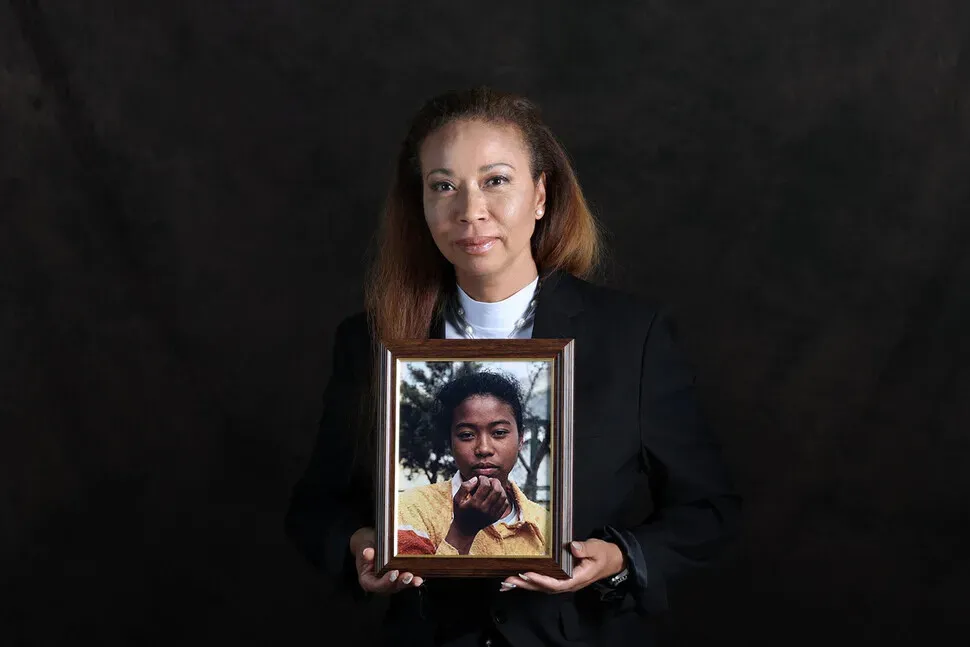
Meeky Woo Flippen, 60, an adoptee to the US, is the head of the Korea branch of 325KAMRA, a nonprofit organization that helps Korean adoptees, veterans and individuals of Korean descent locate their biological families using DNA testing.
Adopted by a couple in the US at age 14 after her biological mother died, Flippen said she also found it difficult to genuinely trust people.
She said her marriage ended because she found it difficult to trust people, adding that making friends was also tough for fear of trusting people only for them to leave or getting close to those untrustworthy.
I caught up with Simon and Meeky, as well as fellow adoptees Cho Young-il and Oh Jae-gyeong, on May 8, which was Parents’ Day in Korea.
All four of them are seeking the truth about their adoptions as mixed-race children, as well as justice for being taken from their families against their wishes, all because they were the children of Korean women and American servicemen.
Though they were mere children at the time, all still felt that they were somehow to blame for being separated from their parents.
“If I’d known better, I would have clung to my mom and never let go,” said Cho Young-il, 69, expressing longing for a mother he can no longer remember clearly.
When he was 7, he was slated to be sent to a family in Sweden, only for his adoption to be cancelled at the last minute while he arrived at the airport. He was returned to his abusive foster family, living with them until he moved out in his first year of high school.
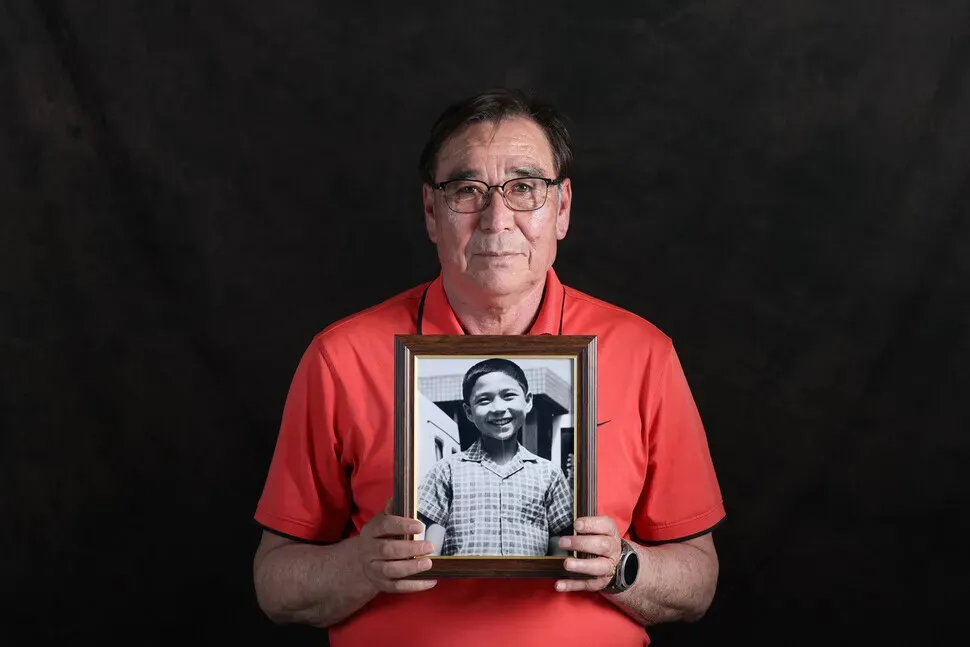
Oh Jae-gyeong, 61, says he still feels regret.
“Had I protected her, maybe my mother could have lived longer, but I have to live with that regret,” he said. He stayed with family for a while before passing through “St. Vincent’s Home for Amerasian Children” and finally being sent to an adoptive family in the US in 1980.
Upon returning to Korea two years later, he learned that his mother hadn’t even known he had been sent away for adoption. His mother passed shortly after, in 1986, of a pulmonary illness.
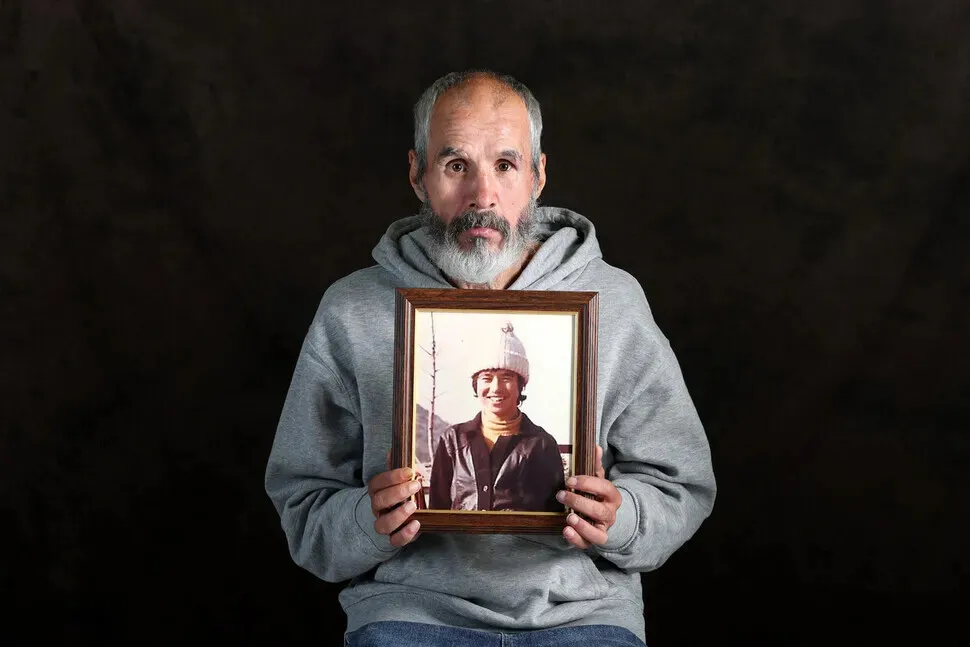
What they want more than anything is the truth — answers about why and how they came to be sent abroad as adoptees in the manner that they did, as well as an investigation into state policy of sending mixed-race children overseas and sexual abuse at St. Vincent’s Home. They also want an apology from the state.
“No amount of money can compensate for the life I’ve lived. I want the truth,” Meeky said.
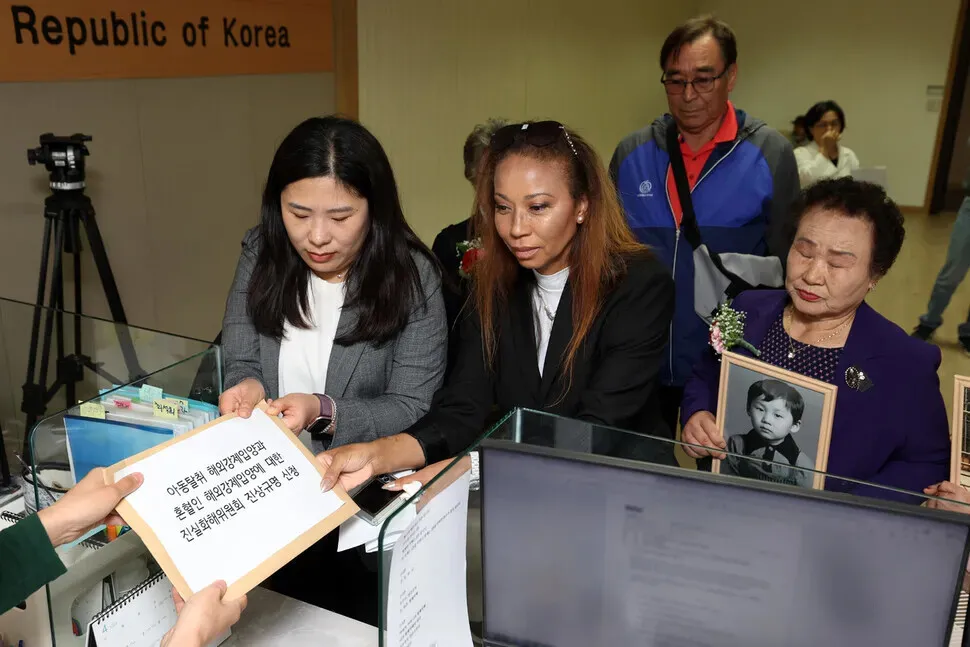
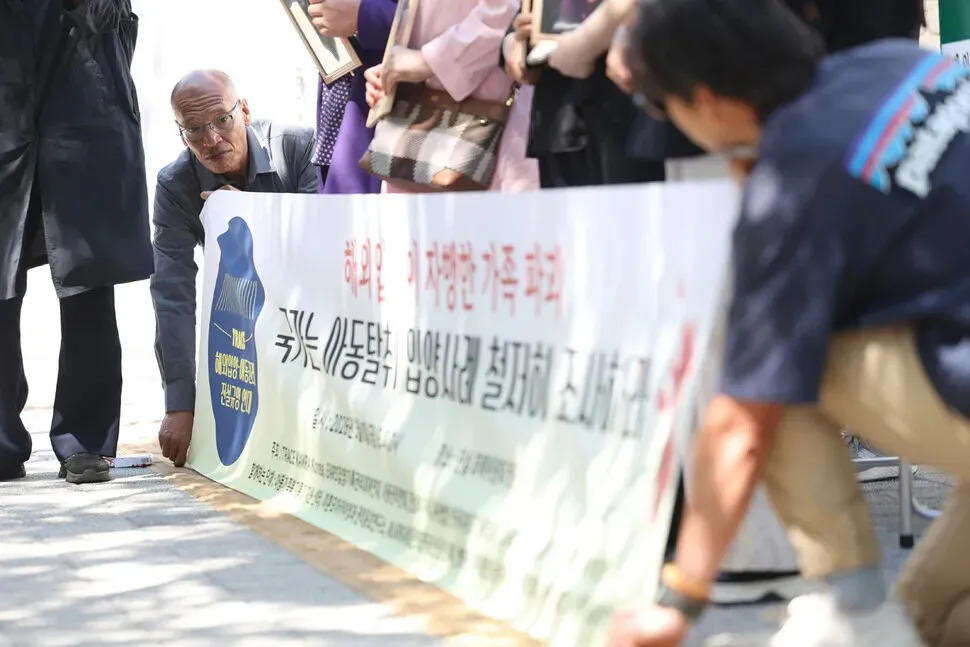
On May 8, the adoptee coalition group TRACE held a press conference outside the Truth and Reconciliation Commission in Seoul alongside Korean mothers who had their children taken from them and sent abroad for adoption. Simon held one side of the group’s banner, while Meeky, Young-il and Jae-gyeong held signs in their hands.
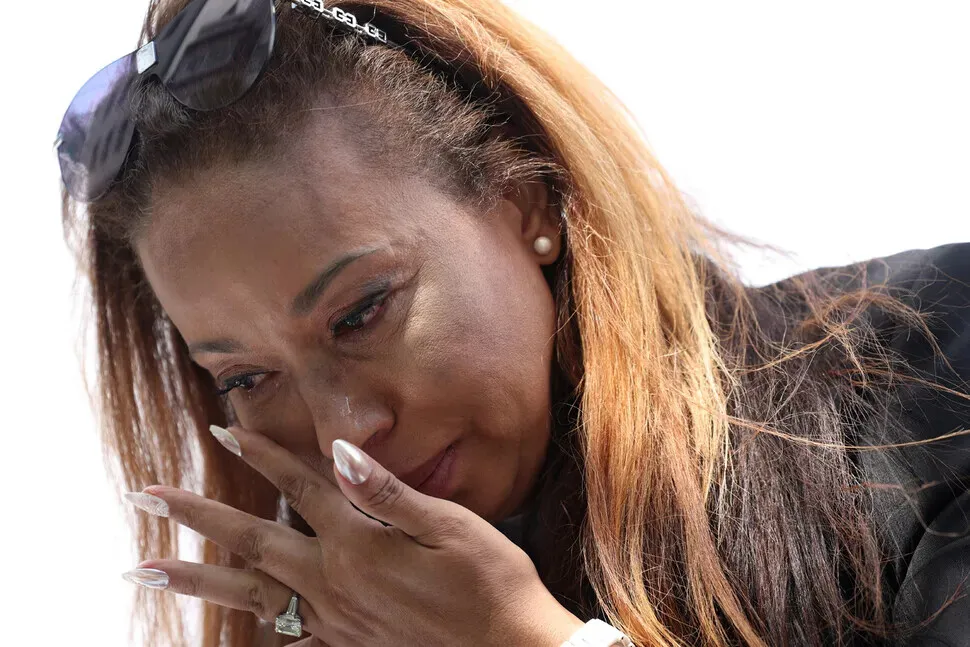
Each sniffled and patted the others on the shoulder as they listened to one another’s stories. No two of them may look alike, but in the end, they all share one thing: They are Koreans who carry with them hurt deep in their hearts.


By Kim Young-won, staff reporter
Please direct questions or comments to [english@hani.co.kr]

Editorial・opinion
![[Editorial] Top priority in North Korean POW case should be human rights, not politics](https://flexible.img.hani.co.kr/flexible/normal/500/300/imgdb/original/2026/0928/6117905733887763.jpg "[Editorial] Top priority in North Korean POW case should be human rights, not politics") [Editorial] Top priority in North Korean POW case should be human rights, not politics
[Editorial] Top priority in North Korean POW case should be human rights, not politics![[Column] Fixing the blurred border between South and North Korea](https://flexible.img.hani.co.kr/flexible/normal/500/300/imgdb/original/2026/0928/8617905750498627.jpg "[Column] Fixing the blurred border between South and North Korea") [Column] Fixing the blurred border between South and North Korea
[Column] Fixing the blurred border between South and North Korea- [Editorial] Shark sighting in Busan is a warning from nature
- [Column] Is AI about to destroy humanity?
- [Column] Harari’s 2030s: A new age of repressive desublimation
- [Guest essay] This Chuseok, think of the seasonal workers who plant and pick your food
- [Editorial] To build back public confidence, Lee must address issues affecting everyday Koreans
- [Column] Korea-Japan cooperation still has a long way to go
- Trump has taken a wrecking ball to America’s democratic institutions
- [Column] Sending troops to Hormuz would be a fatal miscalculation by Seoul
Most viewed articles
- 1Ukraine releases interrogation footage of captured North Korean soldiers, proposes prisoner swap
- 2Korea in talks to inject $10 billion into US nuclear reactor project this year despite still reviewing viability
- 3Seoul pushes back on Trump’s Alaska LNG claims, says investment must be commercially viable
- 4[Column] Fixing the blurred border between South and North Korea
- 5Less than half of South Koreans see need to reunify with North, survey finds
- 6Lee hails peace as ‘surest form of security’ on Korean Peninsula
- 7[Notice] Hankyoreh’s Asia Future Forum to explore ‘navigating the great upheaval’
- 8Korea’s monthly exports exceed $120 billion for first time in September
- 9Korea’s atrocities in Vietnam, in the words of those who saw and survived them
- 10Tensions mount over DMZ mine blast as North Korea alludes to military response